A contronym is a word that means its own opposite. Marketing is one too, and most companies waste money because nobody in the room is working from the same definition.
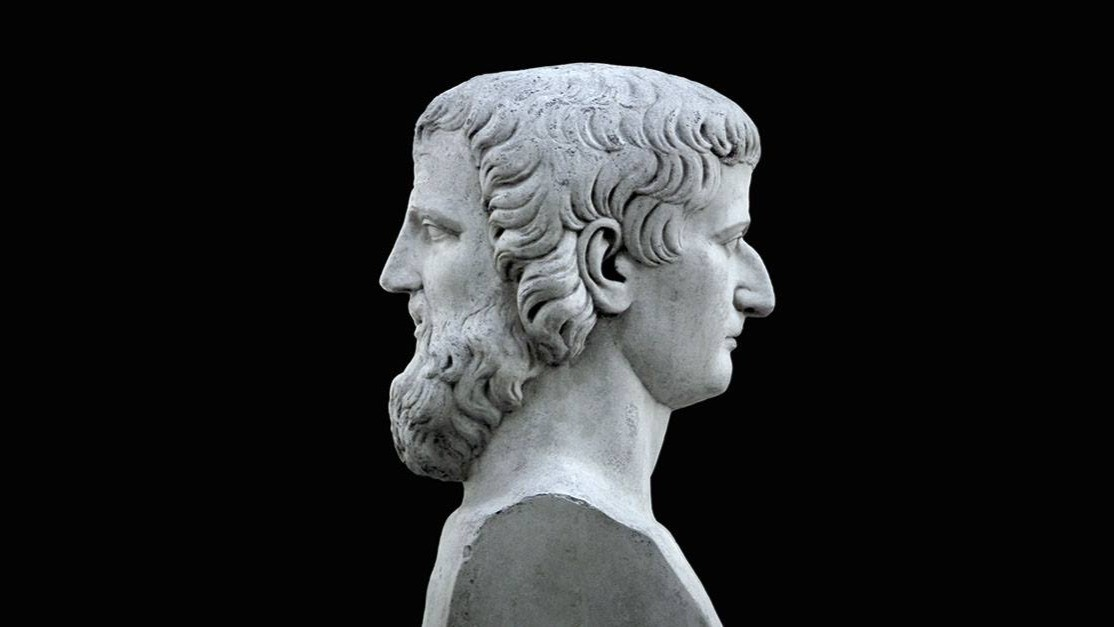
Let us start with a word you probably learned at school and forgot: contronym. A contronym is a word that means its own opposite. “Sanction” means to approve something and to penalise it. “Oversight” means careful supervision and a complete failure to notice. “Cleave” means to split apart and to cling together. One word, two meanings, exact opposites. Marketing is the same. The reason so many companies, from one-person startups to London-listed brands, waste money, miss customers and build marketing departments that everyone resents is that nobody in the room is working from the same definition.
Marketing is not a function. It is the whole business seen from the customer’s point of view.
Peter Drucker, 1954. Nobody listened.
The two definitions of marketing
Definition one: marketing is a function. It is the team, the campaigns, the budget, the deliverables. The Instagram page, the billboard, the newsletter, the brand guidelines deck. It is what the marketing department does. Definition two: marketing is a business philosophy. It is the orientation of your entire organisation around the customer. It is starting with the market, what people actually want, actually fear and actually aspire to, and building everything else from there. Not just the ads: the product, the pricing, the distribution and the service. One is an activity, the other is a way of seeing the world. They are not the same thing.
What this looks like in practice
Ryanair does not have a large marketing department. They are not winning creative awards. Michael O’Leary is not sitting in brand strategy workshops debating purpose and authenticity. But Ryanair is one of the most marketing-oriented businesses in Europe, because in the early 1990s someone asked a simple marketing question: what does a budget traveller actually want? Not what do they say they want. What do they actually choose when money is involved? The answer was cheap fares. Not legroom, not free snacks, not a pleasant ground experience. So they built the entire business around that one insight. Route decisions, ancillary revenue, baggage fees, no assigned seating, all of it an expression of a single customer truth. The business is the marketing strategy. The ads are almost incidental. No awards for creativity, just 200 million passengers a year.
Compare that to Kodak
Kodak had one of the largest marketing departments in corporate America. Award-winning campaigns, massive media spend, near-universal brand awareness. They also invented the digital camera in 1975, in their own labs, and buried it. Their business was built around the function of marketing selling film, not around the philosophy of marketing, which would have asked: what does a person who wants to capture a moment actually want? They confused the department for the discipline, and it cost them the company.
Why this matters for you
If you run a small business, you have probably said or heard some version of this: “we need to do more marketing”. What does that sentence actually mean? In nine out of ten cases it means post more on Instagram, run some ads, maybe redo the logo. More output, more activity, more noise. That is definition one: marketing as doing. What it almost never means, but almost always should, is: do we understand our customers well enough to build our whole offer around what they want? Are we pricing correctly for this market? Are we selling in the right places? Is our product genuinely solving a real problem, or a problem we assumed they had? That is definition two: marketing as thinking. You can run ads on nothing, but you cannot build a business on nothing. Advertising amplifies whatever you already are. If the strategy is wrong, the ads just accelerate you toward the wrong destination faster. Dollar Shave Club did not win because of a viral video. They won because someone worked out that men did not want to go into a shop to buy overpriced razors. The insight came first. The video was just the announcement.
For the CMO and marketing director reading this
You have a harder problem. Your budget gets cut when revenue dips, and your work gets judged by metrics that change depending on who is at the board meeting. Strategy gets confused with execution, execution gets confused with activity, and activity gets called marketing. The marketing department is doing definition one work while nobody in the building is doing definition two work: understanding the market deeply enough to make good strategic decisions. When results are poor, the CEO cuts the definition one budget and wonders why the problem persists. The problem was never the budget. It was the absence of definition two thinking. The fix is not more campaigns. It is market orientation, making sure the whole organisation, not just the marketing team, is aligned around genuine customer insight in pricing, product, distribution and service design. Marketing is not a department’s problem. It is a leadership question.
Three questions to ask honestly
Do you know why your best customers chose you and not the alternative? Not what you think the reason is, but what they actually say. If you have not asked recently, you do not know, and if you do not know, you are guessing. Does your pricing reflect the market or your costs? Pricing set on cost plus margin is financial planning. Pricing set on what the market values your offer at is marketing. Would replacing your marketing department change your business outcomes or just your output? If you fired the entire team tomorrow and hired a better one, would performance change, or would the same strategic problems arrive with prettier execution? If the answer to that last question is “the same strategic problems”, the issue is not your marketing. It is your marketing philosophy.
What I want you to think about
Marketing is a contronym. It can mean the thing that makes your company run well, or the thing that runs quietly in the background while the actual problems go unaddressed. Most businesses are spending money on the second definition while hoping for results only the first one delivers. Stop asking how do we do more marketing, and start asking how do we think more like marketers.
Clear thinking about strategy, brand and building things.